Another Bore-Ing Post
Ever thought much about your bore hole riser? I’m guessing probably not.
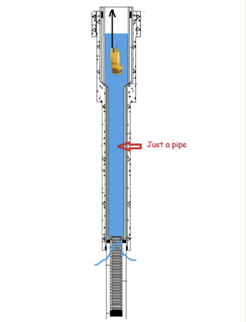
I accept there are probably much more interesting things to think about. But at the end of the day, an artesian or deep aquifer bore is just another pipe. The pressure from the overlaying ground forces the water up through the bore hole riser to the surface, or to a level that is practical to pump from.
Then like any pipe, if the bore riser is too small it will underperform due to excessive headloss, which can impact on delivery rate or increase pumping costs. If it is too big, you are just wasting money on construction.
Headloss is the loss in pressure resulting from friction as fluid travels along a pipe. It is wasted energy. The faster the fluid travels, the higher the friction and headloss…and the amount of wasted energy. If your pipe diameter is halved, to get the same flowrate the speed increases four times, so small changes in pipe diameter can have big impacts on headloss and energy.
While there is often focus on the selection of the screen in the aquifer, the check on suitability of the riser pipe can often be forgotten. At Engineered Efficiency, we’ve seen how undersized bores can increase pumping energy and reduced operational efficiency, especially with diesel or solar-powered bores.
By analysing system hydraulics, we ensure boreholes deliver optimal flow and reduce energy consumption. Proper sizing and design can mean a higher sump liquid level during pumping, less energy used, and lower operating costs over time. If your bore is running for long periods of time, the additional energy cost might outweigh the cost of a larger diameter bore.
For clients relying on remote water supplies, this attention to detail makes a tangible difference in efficiency, sustainability, and reliability. A little extra up front might mean years’ worth of savings ahead.